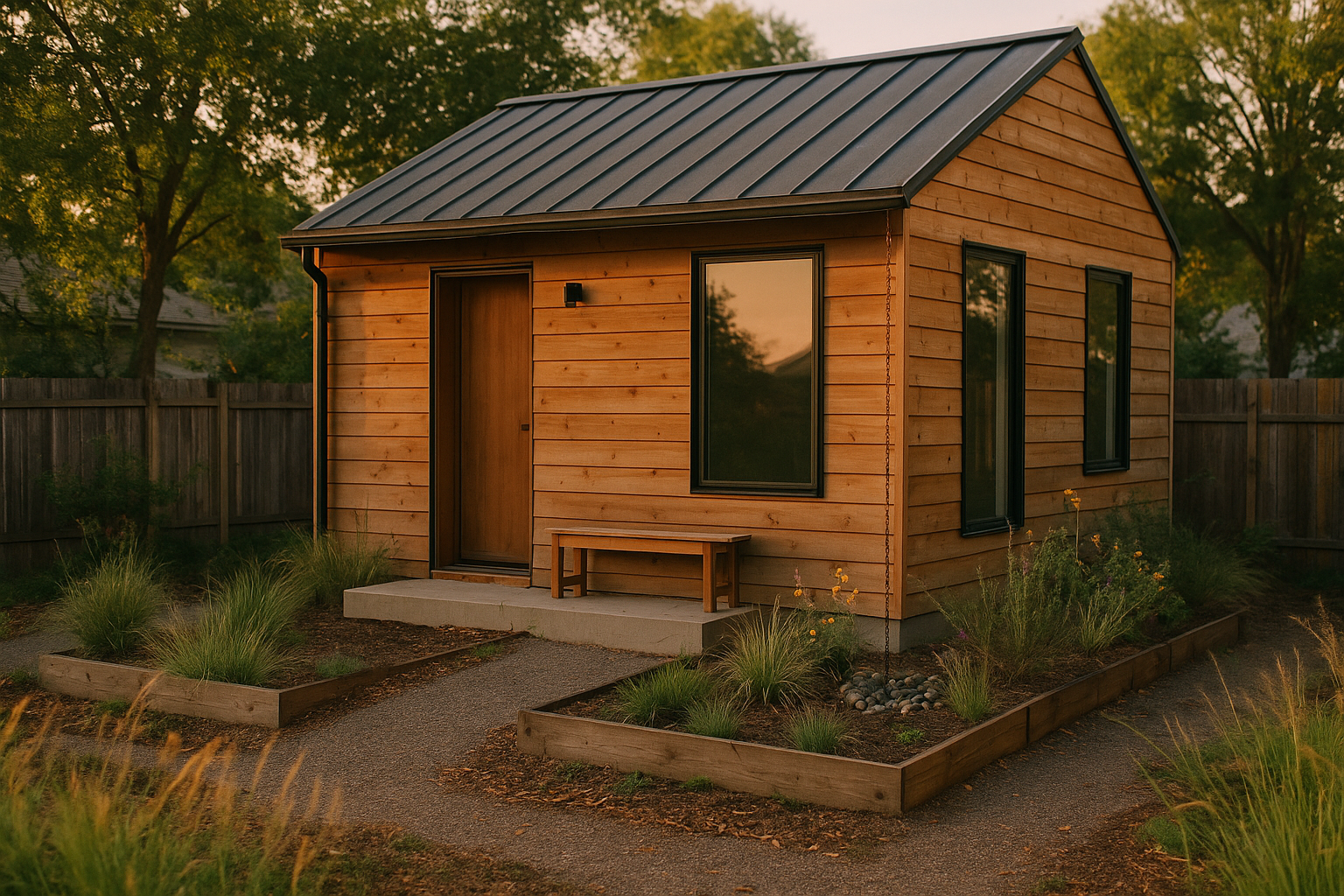
New Small Home Trends in the U.S.: What Buyers Are Looking For in 2026
Outline
- Why Small Homes Are Surging in the U.S.
- Design and Layout Innovations That Make Compact Living Feel Spacious
- Small Homes for Sale: How to Search, Compare, and Close
- Where Small Homes Shine: Regional Patterns and Community Types
- Small Home Trends in 2026: What to Watch Next
Introduction: Small homes are more than a cost-saving tactic; they’re a strategic response to shifting lifestyles, constrained inventory, and rising operating costs. In many cities and towns, compact footprints are unlocking ownership opportunities, enabling creative infill, and reducing environmental impact. This article breaks down the newest design moves, the current market for small listings, and the signals shaping 2026. Whether you want a cottage, a right-sized townhouse, or a flexible accessory dwelling on an existing lot, you’ll find practical ways to spot value and avoid common pitfalls.
Why Small Homes Are Surging in the U.S.
Across the housing landscape, small homes have moved from niche curiosity to mainstream choice. Several pressures are converging: higher borrowing costs changed what many buyers can comfortably afford, maintenance and utility bills have become more visible line items, and hybrid work has reduced the appeal of long commutes. At the same time, more households are asking for simpler, lower-impact living without feeling like they’ve compromised on comfort. The result is a quiet recalibration of what “enough” means—trading excess square footage for well-planned rooms, thoughtful storage, and better light.
Demographic shifts underline the turn. First-time buyers want a foothold that leaves room in the budget for life’s other goals. Empty nesters are trimming space they no longer use, but expecting higher quality in finishes and amenities. Multigenerational households and homeowners with large lots are exploring accessory dwellings as flexible solutions for family, caregiving, or supplemental income. Smaller footprints often align with these needs because they’re easier to maintain, heat, and cool, and they fit on parcels that may be overlooked by larger builds.
Policy is part of the story as well. In recent years, more jurisdictions have eased rules to allow accessory units, duplexes on single-lot parcels, or cottage clusters. While the specifics vary widely, the direction is notable: small homes are increasingly permitted in places that once reserved most land for large single houses. That means more potential sites, more infill opportunities, and, in many cases, more attainable price points. Paired with advances in off-site construction and better energy codes, buyers can now find compact homes that are quiet, bright, and efficient, without drifting into luxury pricing.
Who is leaning into this shift?
- First-time buyers prioritizing monthly payment stability over raw size.
- Downsizers seeking less upkeep and more walkability or proximity to services.
- Homeowners adding a secondary dwelling for family needs or long-term rental flexibility.
- Value-focused investors looking for lower vacancy risk in entry-level segments.
The draw is practical: smaller homes tend to be quicker to clean, more comfortable to operate year-round, and, when designed well, feel tailored to daily routines. The romance of “cozy” only goes so far; it’s the day-to-day livability that’s winning buyers over.
Design and Layout Innovations That Make Compact Living Feel Spacious
Today’s small-home design playbook is less about squeezing and more about orchestrating light, storage, and circulation. Instead of carving rooms into tight compartments, designers favor open sightlines with subtle separation strategies—changes in ceiling height, built-in millwork that doubles as a room divider, or floor finishes that indicate zones without adding walls. Pocket doors and full-height sliders reclaim floor area that swinging doors would have consumed, while window placement focuses on daylight “borrowing” between spaces to maintain brightness even in interior zones.
Multi-use rooms are central to the approach. A flexible den can pivot from office to guest space with a wall bed and integrated closet; a dining nook can transform into a project table thanks to bench seating with lift-up storage. Kitchens are being edited toward what gets used daily, with tall pantries, induction ranges that free up counter depth, and appliance garages that eliminate clutter. In living areas, a single, bold storage wall—a mix of shelving, closed cabinets, and a recess for media—keeps belongings out of sight while avoiding the patchwork look that makes rooms feel smaller.
Outdoors, small does not mean slight. Shallow porches, diminutive courtyards, or side yards tucked between houses offer real extensions of living space. When aligned with large windows and a level threshold, a patio multiplies perceived area and invites cross-ventilation. Landscaping is shifting to drought-tolerant plantings, permeable paths, and compact shade trees that cool façades without overwhelming the lot. Thoughtful fence design—slatted, semi-opaque, or green walls—builds privacy while letting breezes flow.
Common design moves that reliably enlarge the experience:
- Vertical emphasis: full-height storage, tall doors, and clerestory windows that pull the eye upward.
- Tunable lighting: layered ambient, task, and window light to avoid dark corners and over-bright hotspots.
- Acoustic comfort: strategic insulation between rooms and resilient underlayment beneath hard floors to quiet footsteps.
- Color discipline: a restrained palette with varied textures—matte tile, honed stone, oiled wood—adds richness without visual noise.
- Smart circulation: fewer, wider passages that align with key views, limiting dead-ends and tight turns.
The materials story matters too. Durable finishes with gentle patina—oak, cork, limewash, and troweled plaster—wear in gracefully, reducing the urge to remodel. High-performance envelopes, heat-pump systems, and heat-pump water heaters improve comfort and operating costs while keeping equipment compact. Storage is carved into stairs, toe-kicks, and the awkward spaces under sloped roofs. It’s not magic; it’s craft—an accumulation of small, precise choices that add up to rooms that feel calm and capable.
Small Homes for Sale: How to Search, Compare, and Close
If you’re hunting for a small home, start by clarifying the non-negotiables: target payment, commute tolerance, school or service proximity, and storage needs. Then set up saved searches with guardrails by square footage and lot size, but leave a little slack—some compact homes live larger than their numbers suggest, and some plans labeled “cozy” may feel tight in person. Filter for single-level options if accessibility matters, and include properties with accessory dwelling potential if flexibility is part of your plan.
Beyond standard listings, widen the net. Off-site construction providers and local infill builders often release small homes in batches; community land trusts and housing nonprofits may have compact options with resale rules that stabilize pricing; and manufactured homes on owned land can deliver significant value when permanently installed and properly titled. Keep an eye out for pocket neighborhoods or cottage courts, where small detached homes share green space and guest parking—these can offer community feel without extensive upkeep.
When comparing properties, run a total-cost lens, not just purchase price. Smaller homes typically mean lower heating, cooling, and property-tax burdens, but details vary by climate and municipality. Ask for recent utility statements, study insulation levels, and note window orientation and shading. Consider exterior maintenance: fiber-cement siding, metal roofing, and durable decking can lower future costs. If the home is newly built or off-site constructed, review documentation on installation, inspections, and structural connections; clarity here saves headaches later.
Key due diligence questions to cover:
- What are the local rules on accessory dwellings and home-based businesses?
- Are there restrictions from associations on rentals, solar installations, or exterior changes?
- How old are roof, mechanicals, and major appliances, and what are typical replacement timelines in your climate?
- Does the lot allow future expansions or outbuildings if needs change?
- Are there known hazards—flood, wildfire, or seismic—and what mitigation features are present?
Financing deserves equal attention. Some loans provide consideration for energy-efficient features, accessory units, or off-site construction, each with its own appraisal and foundation requirements. Interview several lenders; ask how they underwrite compact homes, manufactured homes, or accessory dwellings, and what documentation they need. During negotiation, a modest closing credit, a rate buydown, or a longer inspection period can balance the scales without inflating offer price. Finally, schedule a thorough inspection and, where valuable, an energy assessment; these reports become a roadmap for first-year projects and budget planning.
Where Small Homes Shine: Regional Patterns and Community Types
Small-home value plays out differently across regions, shaped by climate, building traditions, and land costs. In dense urban cores, compact condos and micro-lot houses offer proximity to transit, culture, and services—appealing to buyers who prize location over yard size. Suburban markets increasingly feature cottage clusters, courtyard townhomes, and duplexes on formerly single-house lots, delivering walkable enclaves within established neighborhoods. In rural areas, small single-level homes, cabins, and accessory units can fit naturally on larger parcels, balancing privacy with manageable maintenance.
Community types to watch include pocket neighborhoods—small detached homes oriented around a shared green, often with porches that face inward to encourage neighborly interaction. Cottage courts line homes along a central path, limiting driveway clutter and reserving interior space for gardens or play areas. Small-lot subdivisions achieve gentle density with careful placement of windows, landscape buffers, and garages tucked behind the front plane of the house. Cohousing-inspired arrangements sometimes appear in these formats, offering common houses or workshops maintained by residents.
Regional factors to weigh as you compare markets:
- Climate: Insulation needs, window specs, and roof assemblies vary widely. In hot-summer regions, deep overhangs and reflective roofing help. In cold-winter regions, air sealing and triple-pane glazing can pay dividends.
- Insurance: Coastal wind, wildfire zones, and floodplains affect premiums and available carriers. Mitigation features—hardened vents, fire-resistant cladding, elevated foundations—can meaningfully change costs.
- Soil and site: High water tables, expansive clay, or steep slopes influence foundation type and drainage strategies.
- Transportation: Access to transit or major corridors shapes commute times and resale appeal. Secure bike storage on small lots can be a surprising advantage.
- Local rules: Many jurisdictions have updated codes to allow accessory units or small-lot splits, but processes and fees differ. Early conversations with planning staff can clarify expectations.
Expect different pricing dynamics, too. In high-demand metros, small homes can command strong prices per square foot because location and design trump sheer area. In lower-cost regions, compact homes often shine as low-ownership-cost options with room to add sheds, gardens, or studios over time. For buyers willing to trade size for craft and convenience, these formats deliver an everyday ease that outlasts trend cycles. Imagine a fall evening on a tiny porch under a modest tree, dinner simmering, windows glowing—proof that scale and satisfaction are not the same thing.
Small Home Trends in 2026: What to Watch Next
As 2026 unfolds, three currents are shaping compact living: refined electrification, broader acceptance of off-site construction, and policy tweaks that unlock more gentle density. Electrification is no longer just about swapping equipment; it’s about whole-home planning. Quiet heat pumps paired with well-sealed envelopes reduce operating costs and improve comfort; induction cooking adds control while limiting indoor pollutants; integrated ventilation strategies provide fresh air without big energy penalties. Solar-ready roofs and modest home batteries are appearing on more small builds, scaled to actual loads rather than oversized expectations.
Off-site construction is poised to take a larger share of small homes and accessory units. Factory-built shells and modules can deliver tight tolerances and faster timelines, which matters in markets where holding costs and weather delays strain budgets. The key is site integration: thoughtful foundations, utility planning, and modest cranes or carriers that can navigate tight streets. Buyers should ask for transparency on transportation, set, and finish scopes—clear delineation avoids surprise change orders and helps appraisers understand the final product.
On the policy side, more places are experimenting with streamlined permitting for small homes and accessory dwellings, sometimes with standardized plans to speed review. While every jurisdiction moves at its own pace, the direction favors right-sized housing types that fit into existing neighborhoods with minimal disruption. Expect continued interest in cottage clusters, duplexes on standard lots, and small-lot splits that create space for starter homes. These shifts won’t transform supply overnight, but they add up—opening doors that were previously closed to many would-be owners.
Looking ahead, practicality drives the features that hold value:
- Adaptable rooms: spaces that can swing between office, nursery, or guest needs without renovation.
- Quiet interiors: better acoustic detailing between rooms and at party walls in attached formats.
- Water-smart landscapes: native plantings, drip irrigation, and rain gardens that manage stormwater gracefully.
- Resilience touches: shaded south and west façades, ember-resistant vents in fire-prone areas, and elevated entries in flood zones.
- Mobility readiness: prewiring for future vehicle charging, secure outdoor storage, and covered entries that make rainy-day arrivals easier.
The soul of the small-home movement in 2026 is not austerity; it’s focus. Homes are becoming tools that serve daily life with precision—honest materials underfoot, light where you need it, and a layout that edits out the clutter. In a world that can feel loud and sprawling, a right-sized home offers a measured cadence: breakfast sunlight on a compact counter, a door that opens to a pocket garden, and a place for everything you actually use. That’s not a fad; it’s a durable way to live well.


